
Growing up, I always felt like a shadow at the edges of the world, never quite fitting into the spaces that seemed to come so naturally to others. While many of my classmates were surrounded by vast circles of friends, effortlessly navigating the social currents of youth, I stood apart. I wasn’t popular. I wasn’t the life of the party. In fact, I often felt more comfortable on the periphery, observing the chaos of the world rather than being swept up in it. I had two close friends, two kindred spirits who understood the depths of my inner world—but beyond that, I didn’t know where I belonged.
The social world around me felt like an impenetrable fog, and I, the outsider, could never quite find my place. There was a constant undercurrent of something I couldn’t name. I wasn’t like everyone else. I didn’t thrive on group activities or the constant noise of social validation. I wasn’t seeking fame or popularity, but something deeper, something more meaningful. I was a deep thinker, a deep feeler, even as a child: sensitive, intuitive, and profoundly introspective. I was odd, or at least that’s how it felt to me. My thoughts didn’t seem to line up with the world around me, and I often felt like I was speaking a language no one else could understand.
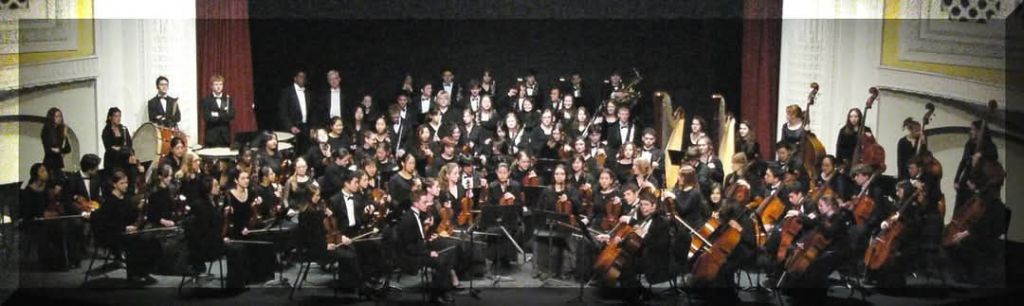
While others were chasing after fleeting moments of teenage fame, I was in a concert hall, pouring my heart and soul into music. The music spoke for me in ways words never could. I found a sanctuary in creation, whether it was playing my viola, writing, or losing myself in books. I was always creating, always seeking to express the world inside me, which was too vast to fit into small boxes. When my peers went to parties and social events, I retreated to the quiet solitude of my own world. My solace was in thought, in art, in the deep, uncharted spaces where few dared to venture.
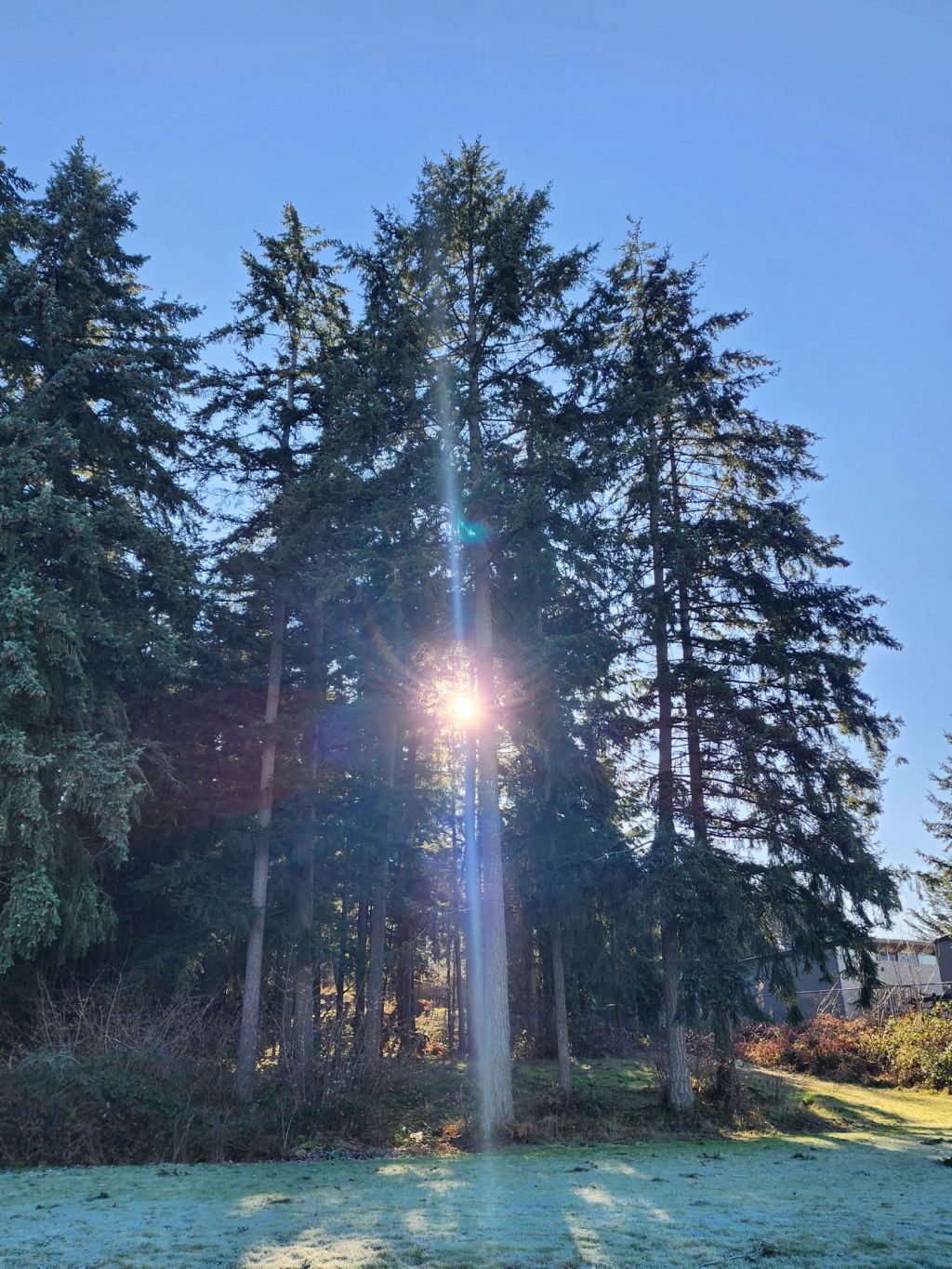
But the quietness of that world was never a void. It was filled with meaning, beauty, and connection in ways that were often invisible to others. I would find meaning in the smallest moments like the way sunlight would filter through the trees on a quiet afternoon, the patterns of frost on a windowpane in winter, the deep, resonating silence that enveloped a room after a performance. Every detail, every small fragment of life seemed imbued with a quiet magic, a beauty waiting to be recognized. This wasn’t something I was taught to see, it was something I felt. I always knew there was more than what met the eye, more than what could be measured by logic or reason.

To others, these things might have been just part of the scenery, but for me, they were rich with meaning. Everything had a story, a depth, a reason for existing just as it was. This understanding, this profound connection to the world, often felt like a secret I carried with me, unable to explain to those who moved through life too quickly to notice. I was drawn to this beauty, and I cherished it with a kind of reverence that left me quietly in awe of the world. It was in those small, quiet moments that I truly felt alive.
But despite this deep sense of connection to the world around me, I was also aware of how different I was. I felt the weight of my sensitivity, my introspection, and my overwhelming empathy. I would notice emotions in others long before they spoke them aloud, feel their joys and their pains as if they were my own. And while others might seek connection through superficial conversation or social events, I found myself reaching for something deeper. I sought understanding, meaning, and beauty in every conversation, every glance, every exchange.
And yet, in the midst of all this, I felt out of sync with the world. Why did I see things so differently? Why did I feel things so deeply when others seemed unaffected by the same events? Why was I so drawn to the unseen, the unnoticed, the unspoken parts of life, when everyone else seemed content with the surface?
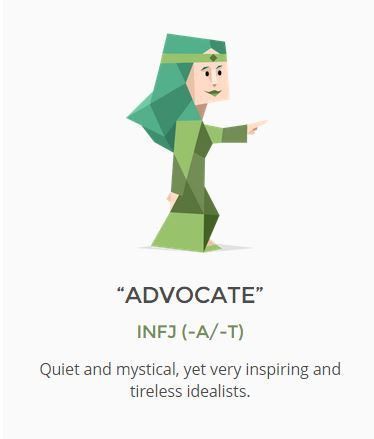
Then, somewhere along the way, I discovered the Myers-Briggs Type Indicator (MBTI), and everything began to click. I don’t even remember the exact moment it happened, but when I first read about the INFJ type, I felt as if I had stumbled upon a map to my own soul. The description of the INFJ the “Advocate,” the “Counselor” – felt like a mirror, one that reflected parts of myself I had never been able to articulate. It was like finding a name for a feeling I had carried with me all my life. For the first time, I saw myself not as an anomaly, but as a part of something larger, something profound and meaningful.
But it wasn’t just about the type itself. The real revelation came when I began to read and hear from other INFJs. The more I connected with people who shared this personality type, the more I realized how universally our experiences aligned. I heard story after story, each echoing my own: the deep sense of not fitting in, the preference for solitude over social noise, the heightened sensitivity to emotions and environments, the innate desire for meaningful connection over superficial relationships. It was as if these people were telling my own story, but in their words, I saw myself reflected so vividly that I felt seen, truly seen, in ways I had never experienced before.
One thing that stood out to me, in particular, was how many INFJs shared the same longing for purpose—a desire not only to understand the world but to make a meaningful difference in it. I read about INFJs who, like me, had often felt like outsiders, living in a world that didn’t quite make sense to them. I found it comforting, yet deeply moving, to hear others speak of their struggles with emotional intensity, their overwhelming sense of empathy, and their deep need to express their inner worlds through art, writing, or music. These stories, these reflections, created a kind of unspoken bond among us. It was like we were all quietly living parallel lives, separated by distance but united by this unbreakable thread of shared experience.
This was when I fully embraced the fact that being an INFJ, and particularly a 4w5, meant navigating the world in a way that felt deeply personal and intensely individual. But more than that, I realized that my feelings of isolation and difference were not weaknesses, as I had once thought. They were a reflection of my depth—a depth that many others, though quiet and often unseen, also shared. I was not alone. We were not alone.
Being an INFJ 4w5 means embracing the paradox of solitude and connection. We crave understanding, but often find ourselves in spaces where only a few, if any, can see the full picture of who we are. Yet when we find those who do understand, whether it’s through the MBTI community or in real life, it’s like a light turning on in a dark room. We find solace in knowing we are part of something larger, something profound and intricate.
Looking back now, I realize that my youth wasn’t defined by a lack of social connections, it was defined by the richness of the world I lived in, the meaning I found in every moment, and the deep beauty I saw in the world around me. Everything had its place, its meaning, and its beauty – whether it was the small things that most people overlooked or the more significant moments that shaped my life. Instead of blending in, I was creating my own quiet, meaningful existence, and that, I’ve come to realize, is more than enough.
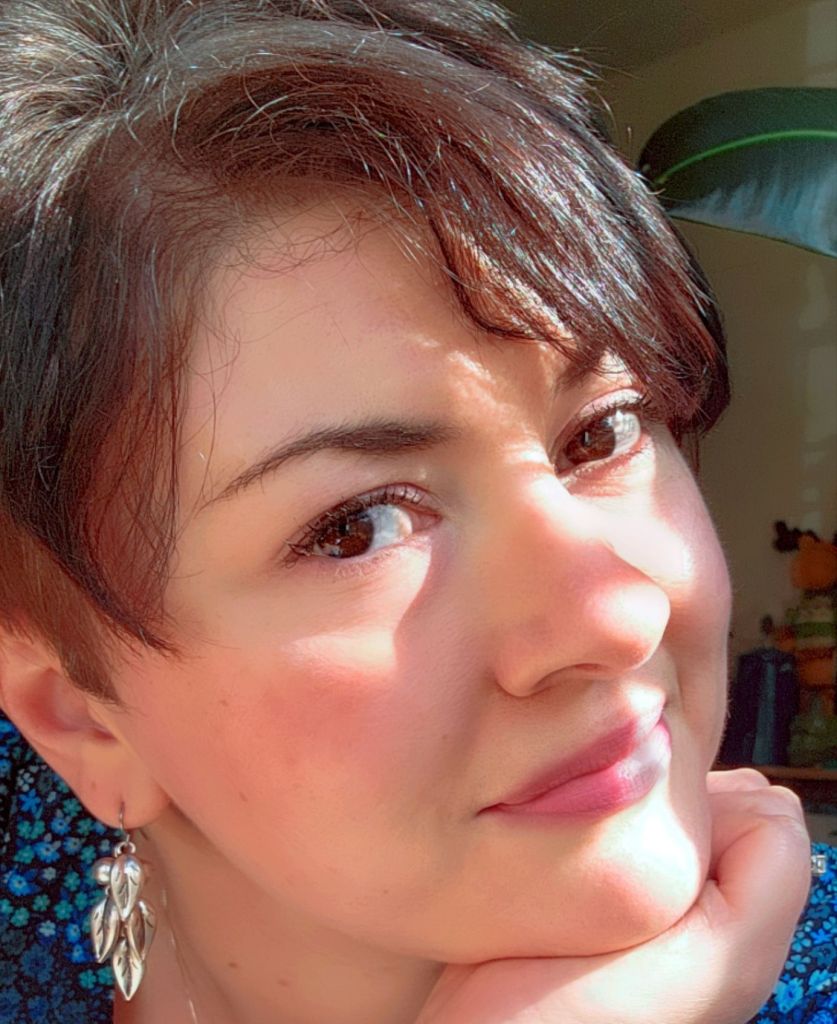
Now, as an adult, I see that everything I once thought was a burden—the solitude, the sensitivity, the difference—was never something to hide. It was part of the beautiful complexity of who I am. And when I embrace that complexity, I find a deeper connection not only to the world but to myself. Through this understanding, I no longer feel like an outsider. Instead, I see the beauty of my own journey, filled with meaning, creation, and quiet wonder.

 The Dreamer's Pen
Leave a comment