
I didn’t grow up with spice.
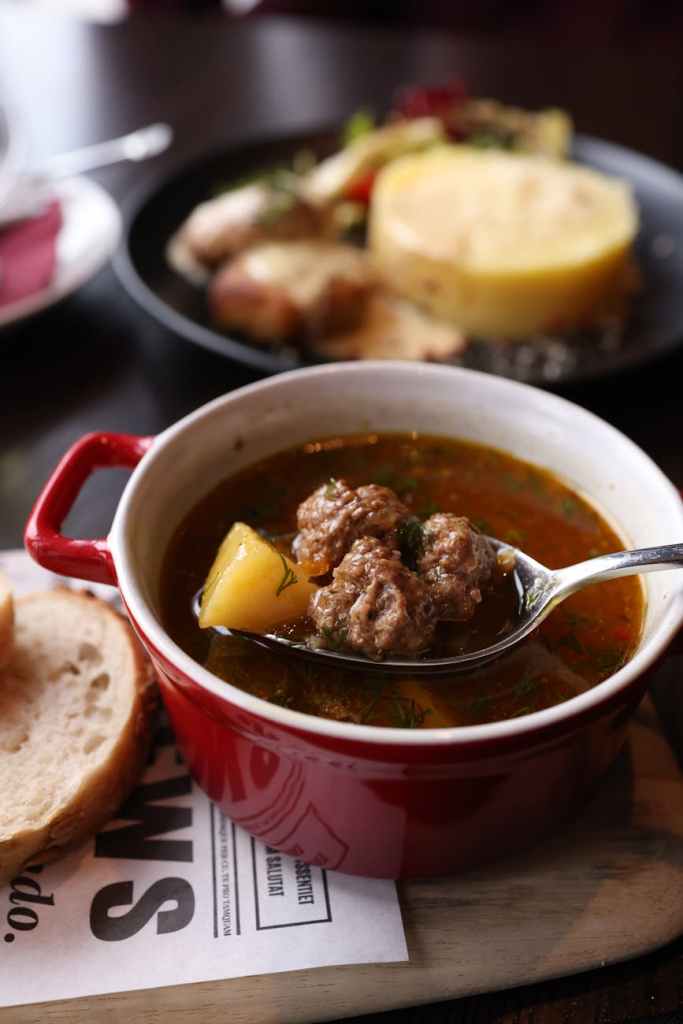
My mom, born and raised in Germany, considered a lot of black pepper too bold, a reckless gamble on an otherwise perfectly balanced dish. Our meals were careful, deliberate, steeped in history. Vinegar for brightness, cloves for warmth, paprika for depth. Butter melted into broth, softening the sharp edges of a world that could often be too much. Our flavors were rich, but they never burned.
For a long time, I believed that was enough.
Spice, I thought, was for people who wanted to prove something, to themselves, to others. It was too aggressive, too demanding. It did not linger in the background, did not wait to be noticed. It crashed into you, insistent. My moms’s palate shaped mine, and in the years after she passed, I clung to the flavors of my childhood like a language only we spoke. Seasoning became a kind of preservation. I was afraid that if I changed my tastes, I might lose another piece of her.
And then, in my mid 30s something shifted.
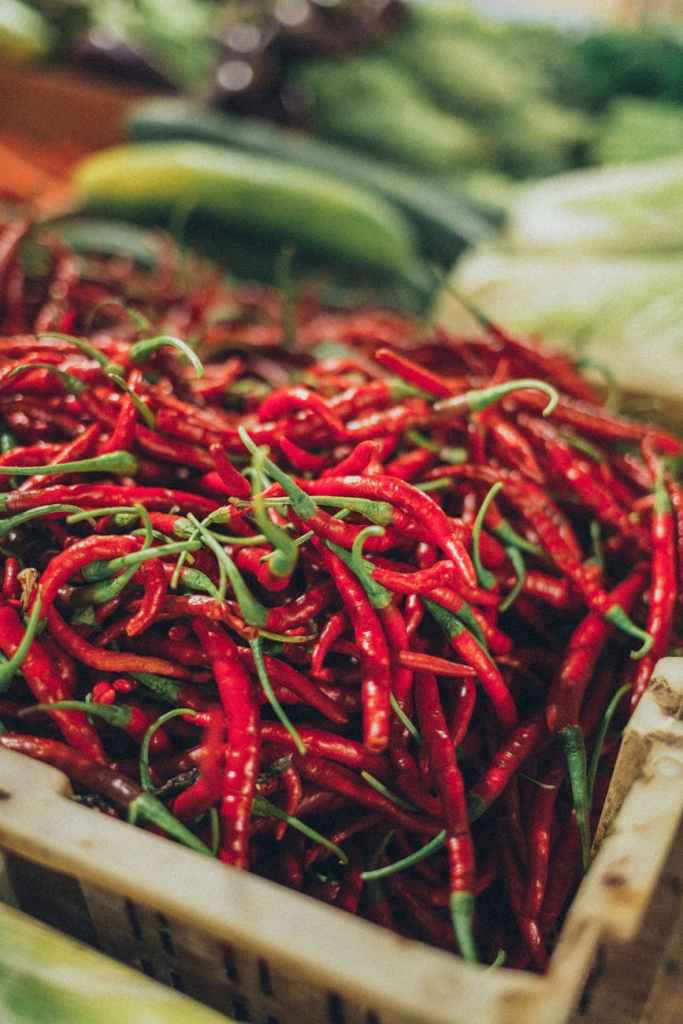
It started small, an extra shake of red pepper flakes, a tentative bite of something spiced with fire and risk. Then came jalapeños, habaneros, and chilies, their heat unfamiliar yet strangely magnetic. At first, I recoiled. It was too much, too sharp, too overwhelming. But then—then came the bloom. The heat unfolded, deep and steady, lingering long after the first shock. It wasn’t just pain. It was presence.
I wondered, then, about my mom. Had she ever considered the burn? Had she ever been curious about what it might feel like to let the fire in?
Spice, I’ve come to realize, is not just about flavor. It is about transformation. It is about taking something ordinary and making it electric. It refuses to be ignored. It teaches patience, demands full attention, lingers in the empty spaces where words fail.
I did not grow up with spice. But I am growing with it now.
And maybe, in some small way, that means I am still becoming.

 The Dreamer's Pen
Leave a comment