
Last night’s Tacoma Youth Symphony concert was a moment of reflection, celebration, and recognition. It was a reminder of the untold stories of women in classical music and a tribute to the impact of Dale Johnson, a figure whose influence has shaped countless musicians over the years. It was a night that made me reflect not only on the music we performed but also on my own journey as a musician, including the unforgettable experience of performing at Carnegie Hall in 2005.
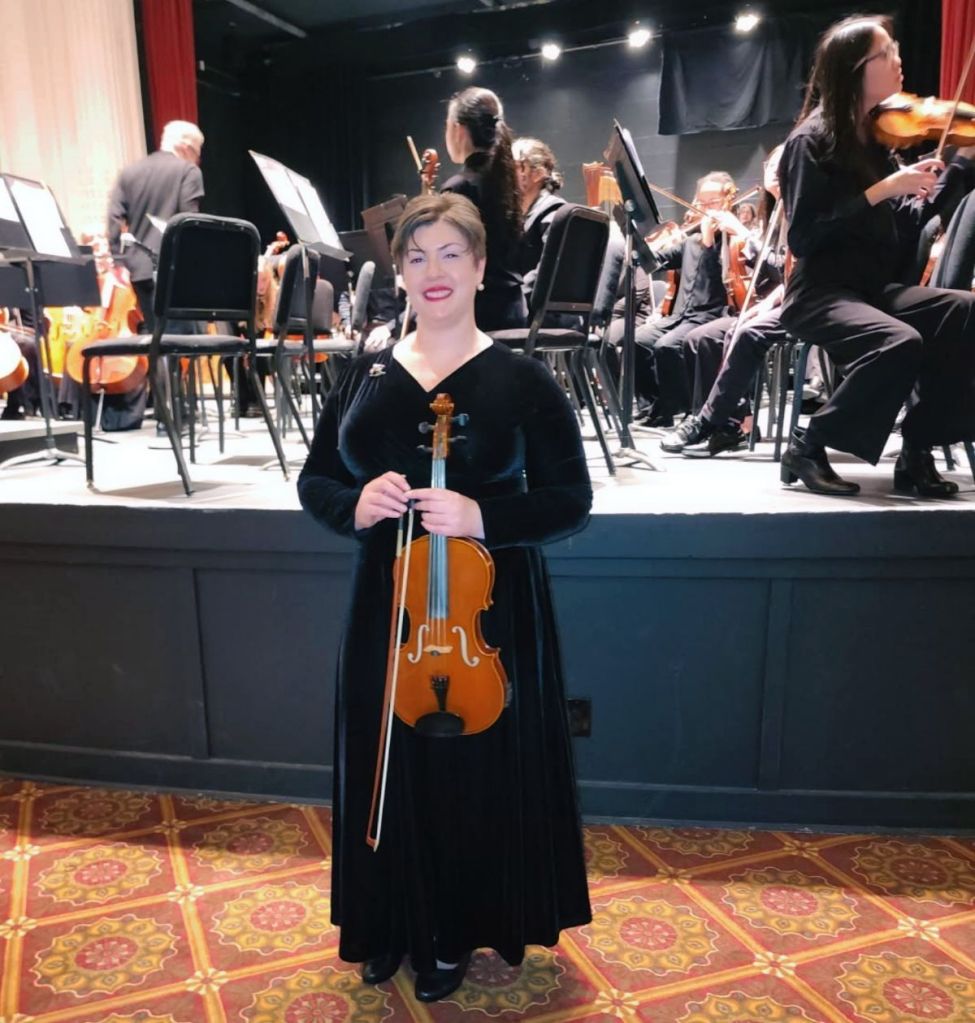
The program featured works by Barbara Harbach, Lili Boulanger, Ingrid Stölzel, Stella Sung, and Margaret Bonds – composers whose music deserves to be celebrated. From Harbach’s Phoenix Rising, full of energy and emotion, to Boulanger’s delicate D’un matin de printemps, each piece was a poignant reminder of how often female voices in classical music have been overlooked. These composers are part of a tradition that has been silenced for far too long, and last night’s performance was a step toward correcting that oversight.

As a musician who’s had the privilege of performing on one of the world’s most iconic stages, Carnegie Hall in 2005, I know firsthand how transformative music can be. But I also know how important it is to ensure that all voices are given equal recognition. Female composers, like those featured last night, deserve to be a permanent part of the conversation. Their works are not just worthy of our attention, they are vital pieces of the classical music landscape.
Alongside the music of these brilliant female composers, the evening was also a tribute to Dale Johnson, whose role as a mentor has profoundly impacted the Tacoma Youth Symphony. Watching him conduct again was a reminder of the kind of leader he’s always been, one who cultivates a deeper understanding of music in his students, not just through technique but through emotional connection and dedication.
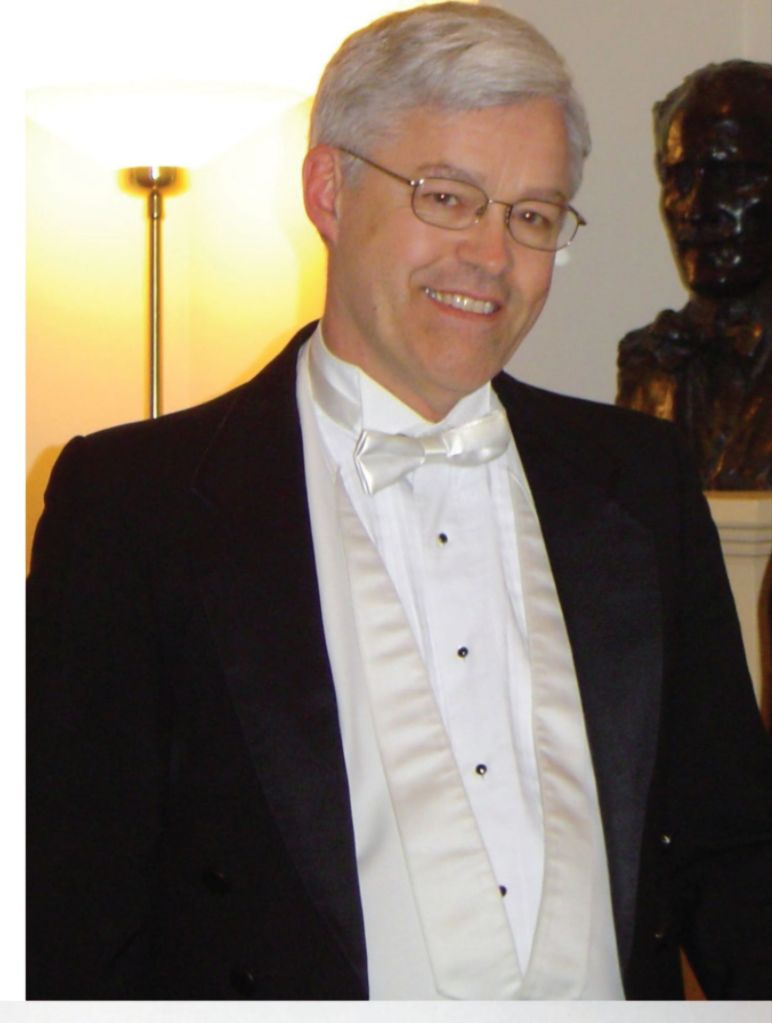
Dale’s guidance goes far beyond the music itself; it’s about nurturing the artists who will carry his legacy. His influence on my own musical path is undeniable, and I’m sure I’m not the only one in the orchestra who felt the weight of that guidance. Watching the orchestra’s response to his leadership, focused, engaged, and deeply connected to the music, was a testament to the years of dedication he has poured into his students.
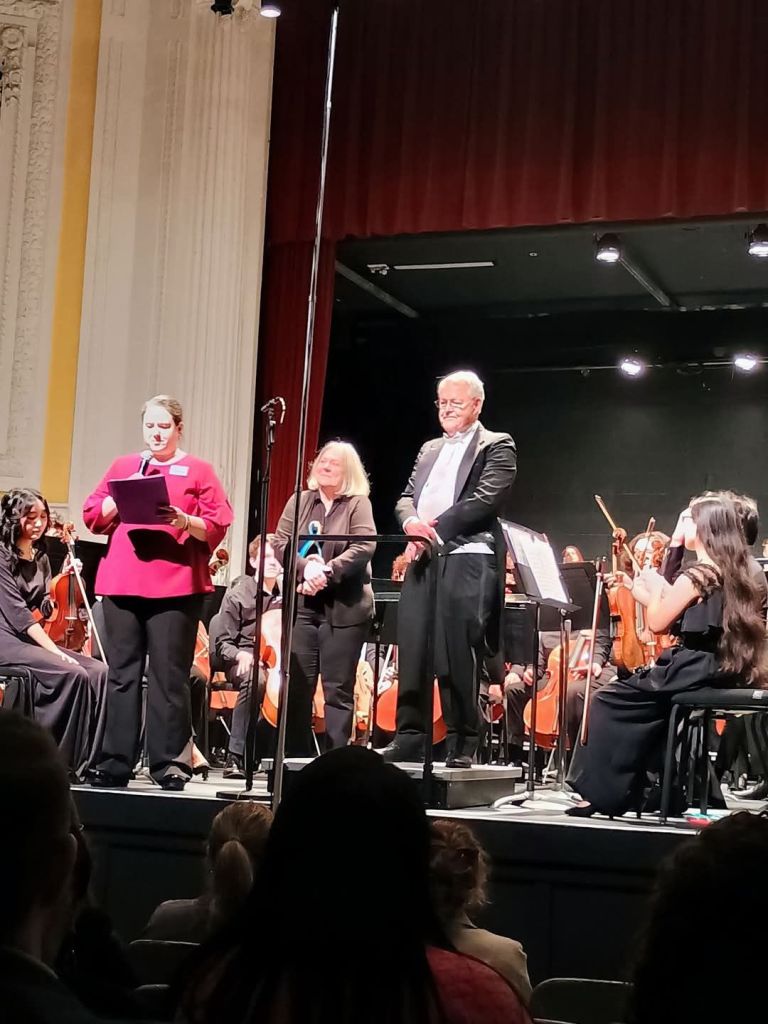
As I reflect on last night’s performance and my own experiences as a musician, I’m reminded of the importance of amplifying voices that often go unheard. It’s easy to focus on the established names in music, those whose works have become staples of the classical canon. But when we lift up those who have been pushed aside – like female composers – we enrich our cultural landscape in ways that are often missed
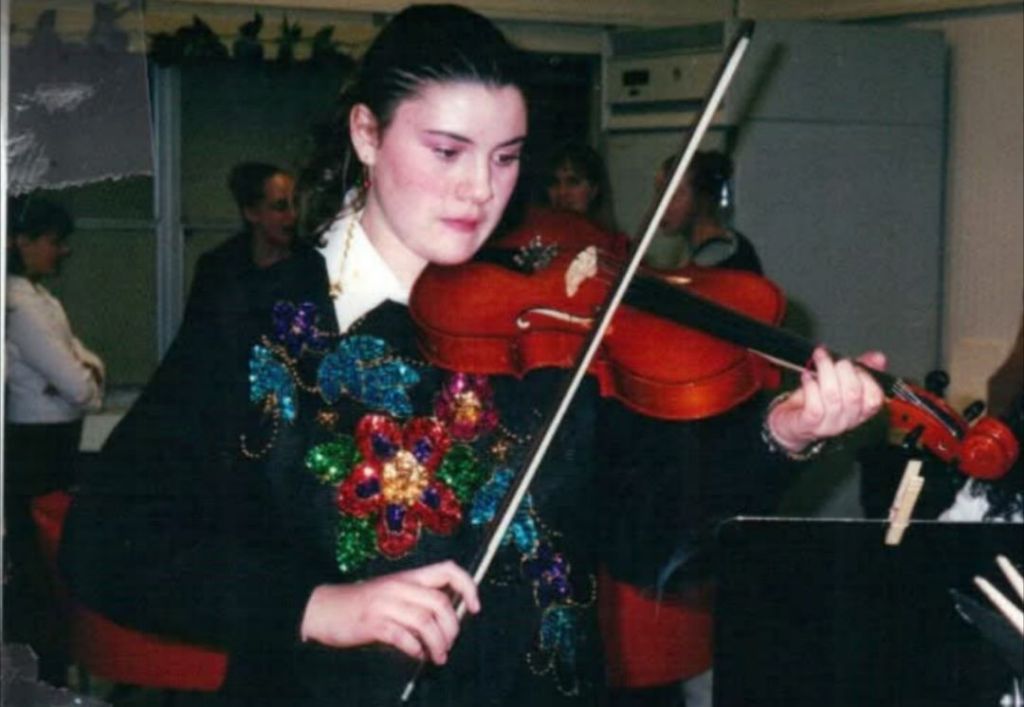
The evening also made me think about my own growth as a musician, from the experience of performing at Carnegie Hall in 2005 to this concert.
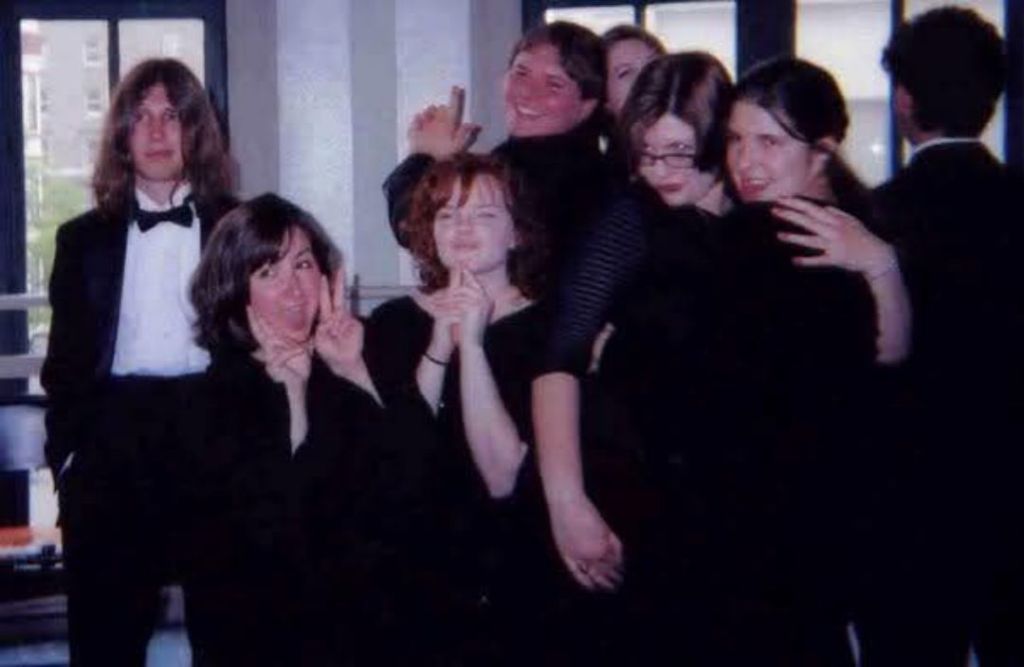
There’s something humbling and transformative about those moments. It’s about being part of something much larger than yourself, about being a part of a shared experience that moves beyond individual achievement. It was a reminder that music, like life, is about connection: to each other, to the past, and to the future.
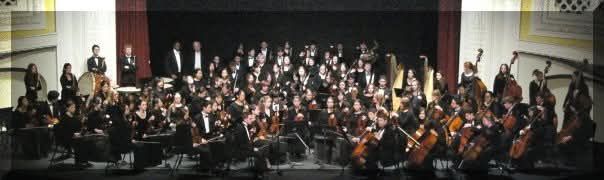
Last night was more than just a concert. It was a step forward in recognizing the contributions of female composers, in celebrating the legacy of a mentor who shaped so many careers, and in understanding that the music we make is part of a larger story. It’s time to ensure that all voices, no matter their gender, are given the recognition they deserve.
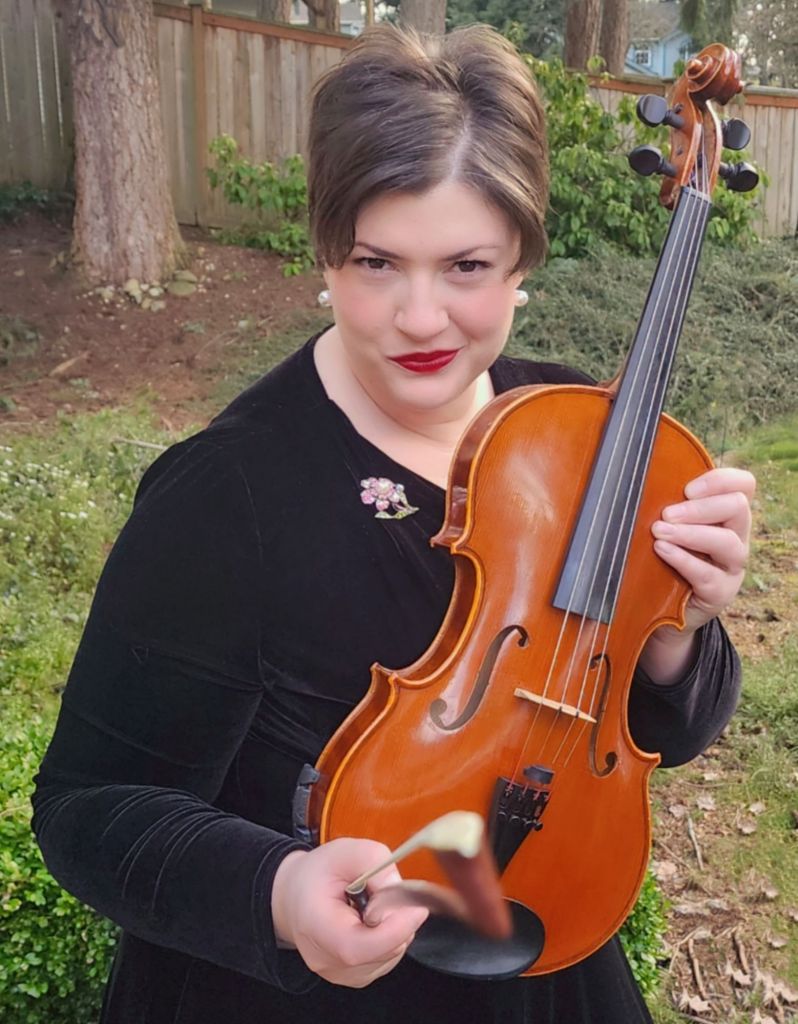
P.S. How do you get to Carnegie Hall? Practice, practice, practice. But let’s be real, it also takes great mentors, the right opportunities, and a stage that actually lets you in. But remember, music is supposed to be fun!

 The Dreamer's Pen
Leave a comment