
There are women I admire.
And then there are women who remind me of myself before I had language for who I was.
Katharine Hepburn is that woman.
I can’t tell you the first time I saw her, I don’t mean watched her, I mean felt her. That sudden stillness in my chest, like someone had walked into the room of my soul and stood there quietly, not asking for anything. Just existing. Being.
She didn’t flirt with the world. She didn’t try to be digestible. She didn’t offer herself up in pieces to be more pleasing.
She was whole. And that terrified people.
But it didn’t terrify me. It felt like home.
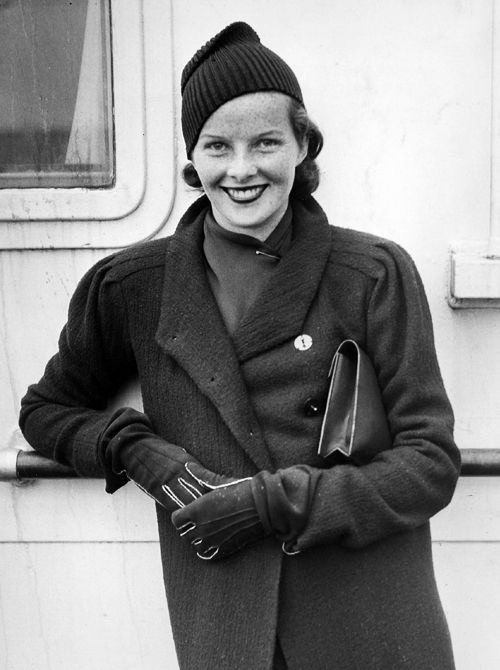
She had this sharp, angular beauty that refused to soften for comfort. A kind of elegance that had nothing to do with being nice. Her cheekbones, her posture, her confidence, it wasn’t for anyone else. She was stunning in the way cliffs are stunning. In the way old trees are. Unmoving. Sacred. Unapologetic.
And her clothes, God, the clothes.
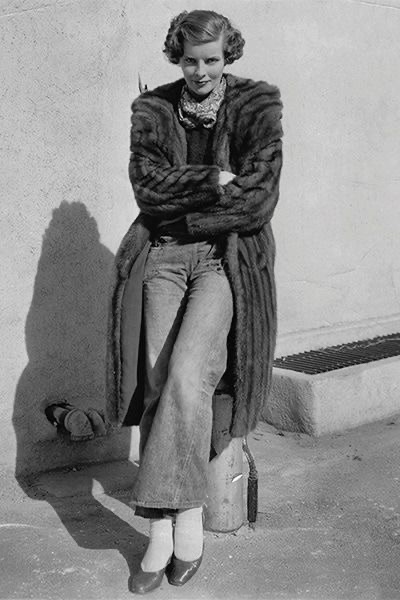
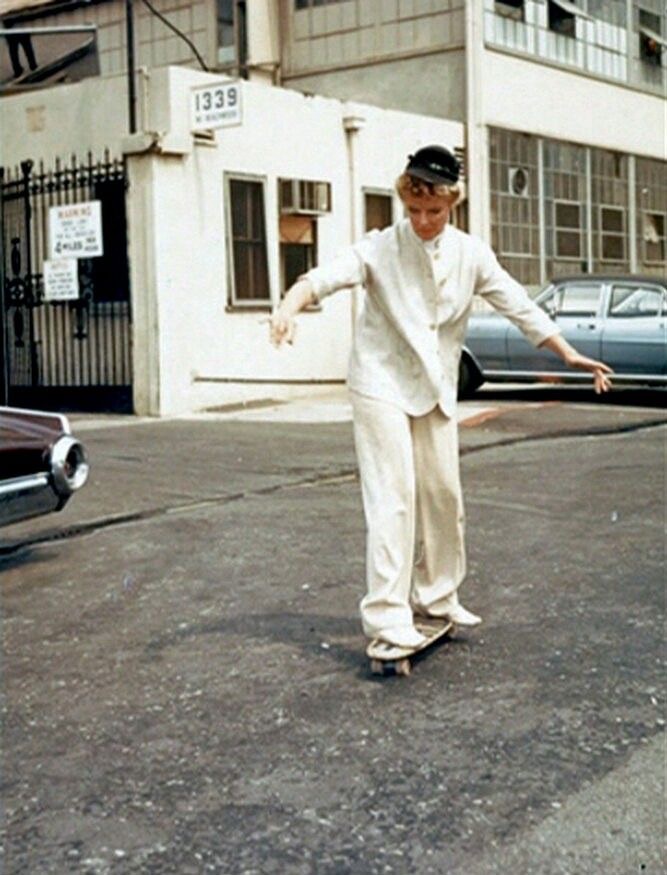
Trousers, oversized button-downs, open collars, loose lines. She wore things you weren’t supposed to wear as a woman back then. And she wore them like armor, like skin, like truth. It wasn’t rebellion. It was alignment. It was clarity. I’ve spent so much of my life trying to feel like myself in a world that doesn’t even know what that means, and there she was, already doing it, before anyone gave her permission.
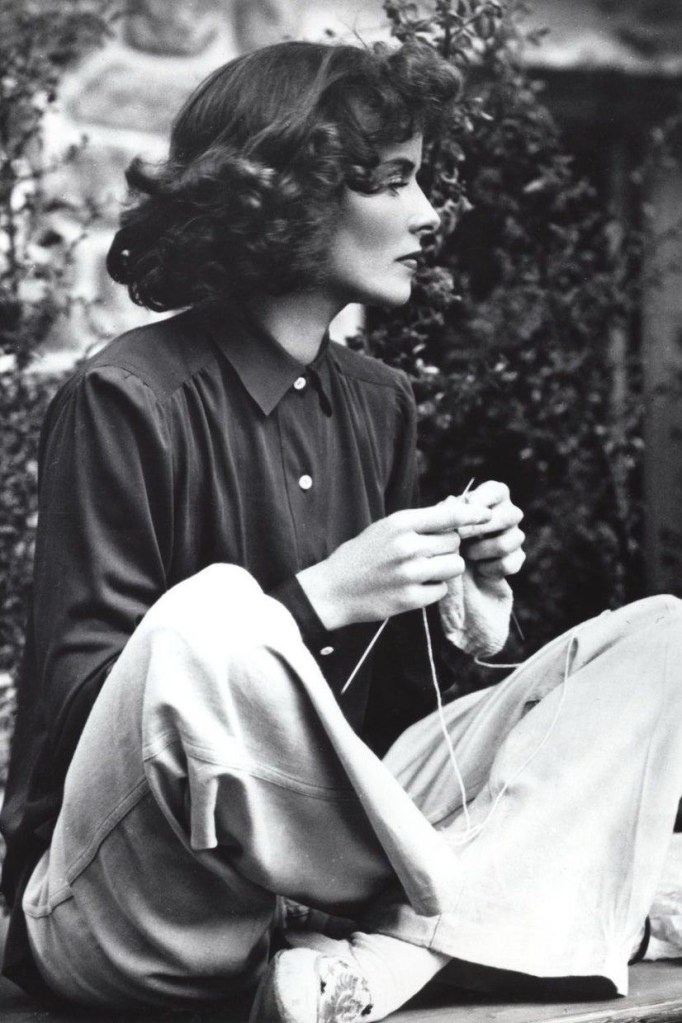
Her style wasn’t about fitting in. It was about standing out, but in a way that never screamed for attention. Katharine didn’t dress to impress. She dressed to be herself. The way she carried those pantsuits with grace, making them look just as feminine, just as powerful as any evening gown, there was no “right” way for a woman to dress for her. She defined femininity in her own image. Athletic, strong, intellectual, yet unmistakably feminine in the most natural, effortless sense. She was everything but the stereotypical idea of softness, yet she exuded a strength that made her femininity undeniably beautiful.
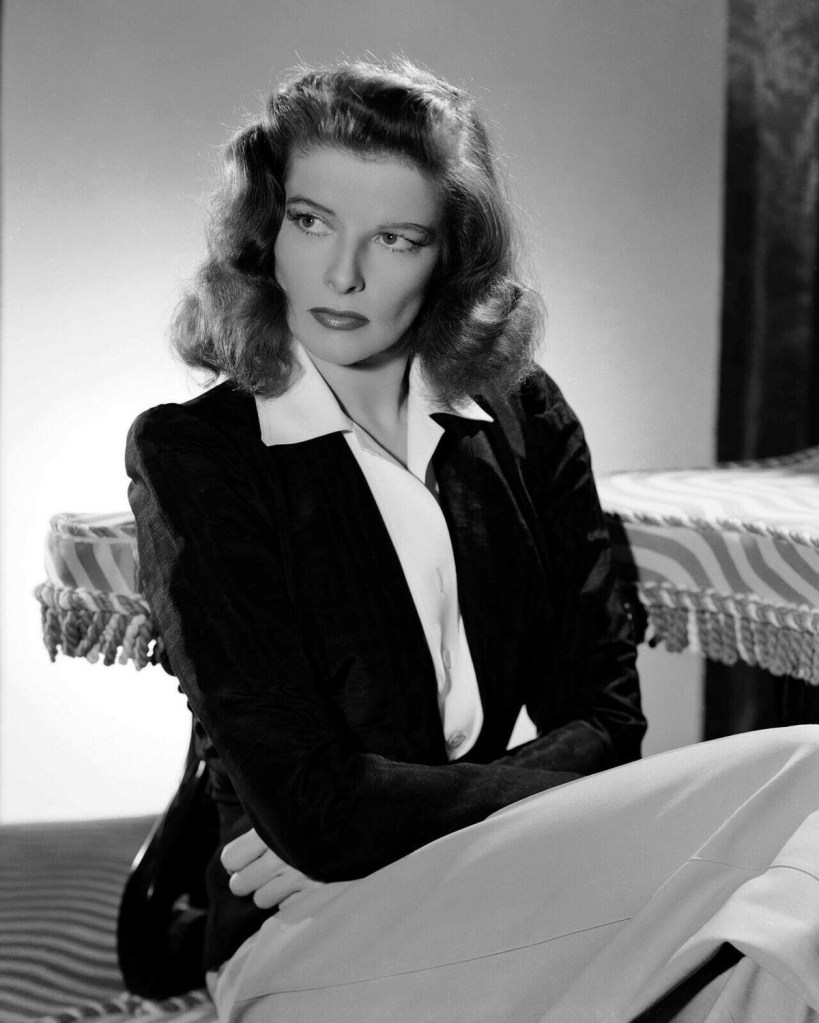
There was a unique softness to her strength, an authenticity that radiated from her every move, her every word. She wasn’t the loudest in the room. She didn’t have to be. She was the most unapologetically herself. Her femininity wasn’t fragile, it wasn’t confined by what society dictated. It was a quiet revolution—a beauty that came from self-awareness and the refusal to be anything other than her truest self.
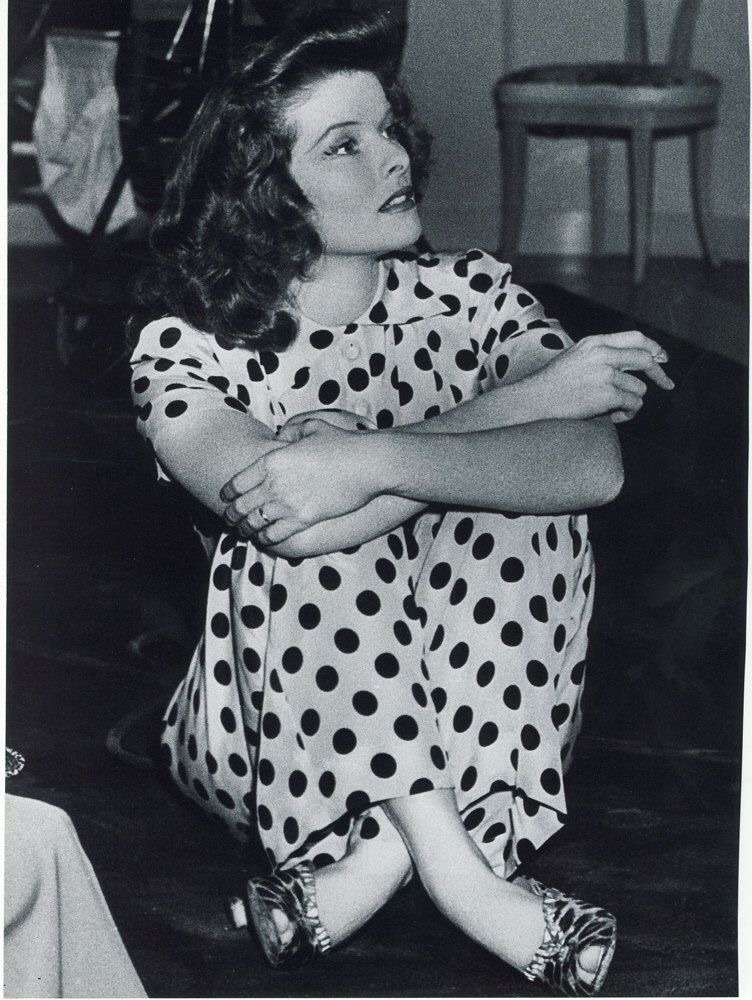
She never asked for permission.
She just was.
She lived like someone who understood silence better than conversation. She seemed like the kind of person who read philosophy at night with a cigarette in one hand and a question in the other. She didn’t move through the world looking for approval, she moved through it like she had nothing to prove. Not even to herself.
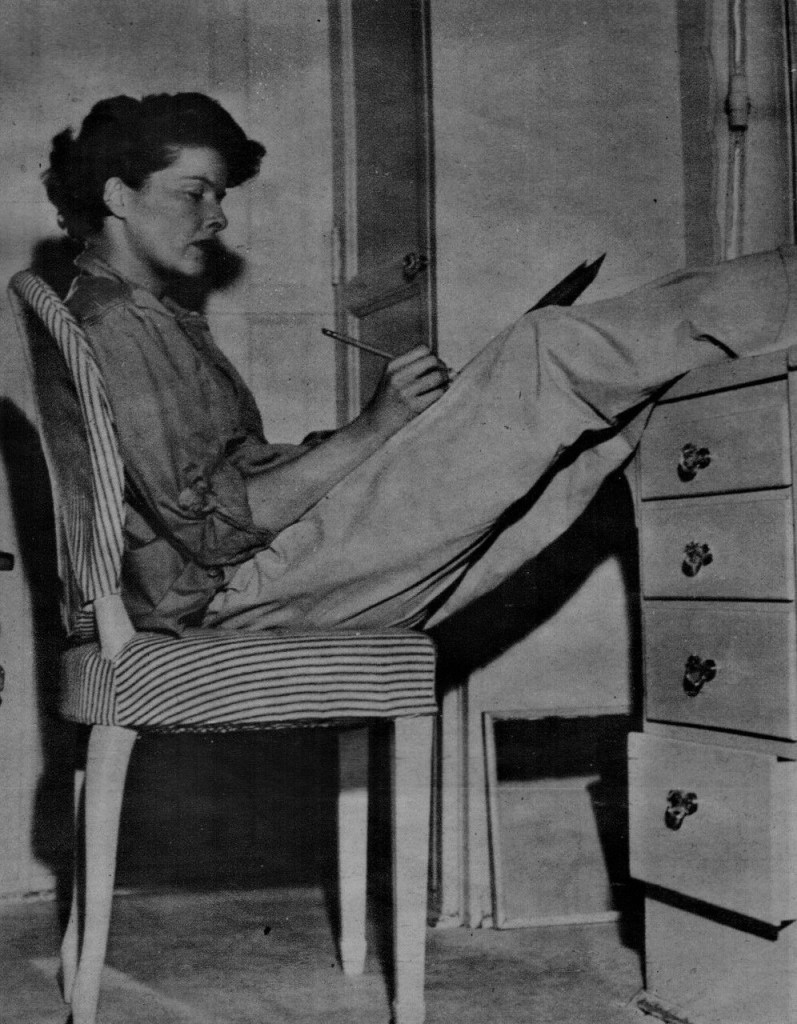
And I saw myself in that.
The way she loved was just as complex.
Spencer Tracy.
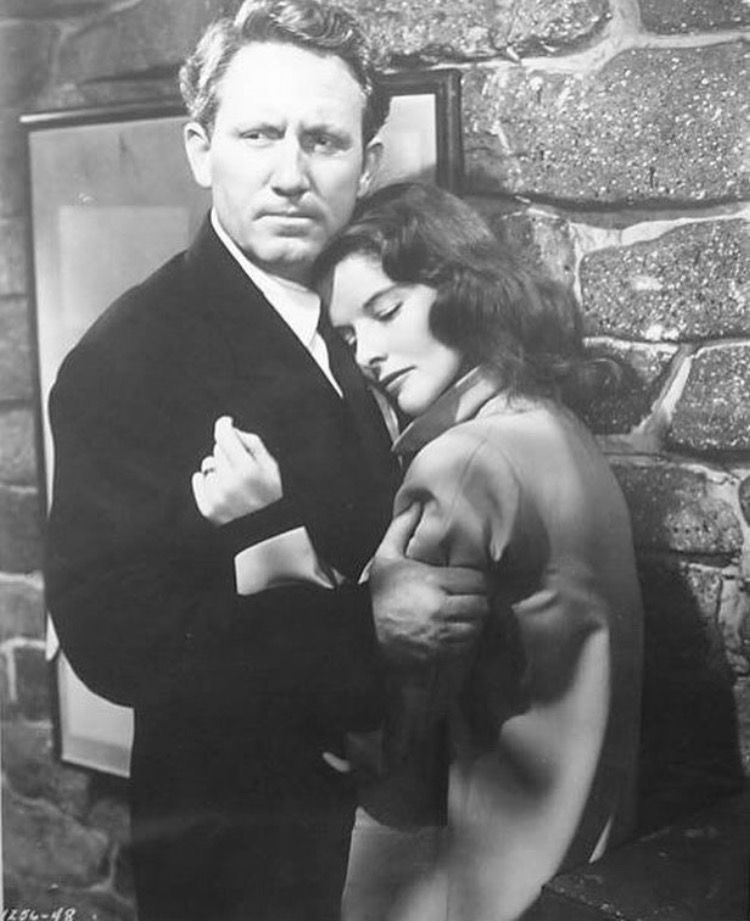
Their relationship was beautiful not because it was easy, but because it wasn’t. They had a connection that didn’t fit the world’s script, a love that didn’t need public validation or the constraints of what was “acceptable.” They had an intimacy that wasn’t defined by ownership or possession, but by quiet respect. Even when Tracy couldn’t fully be hers, there was an understanding that was deeper than words.
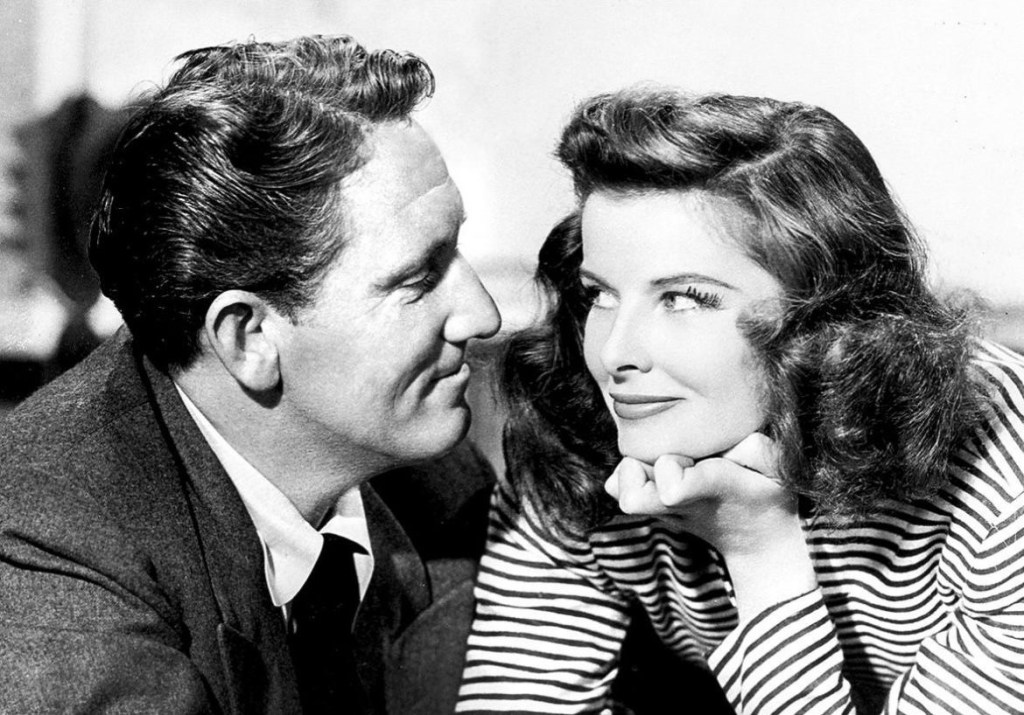
Their love existed outside the noise. It didn’t need labels. It didn’t need grand declarations. It was simple in the most profound way: they found each other in the most unexpected places, and they chose each other over and over again, in the silent, unspoken moments between them.
In their shared films, you can see it. It’s in the way their characters, often at odds with the world, seem to align when they are together. There’s an unsaid language between them—one that speaks of comfort, shared pain, understanding.
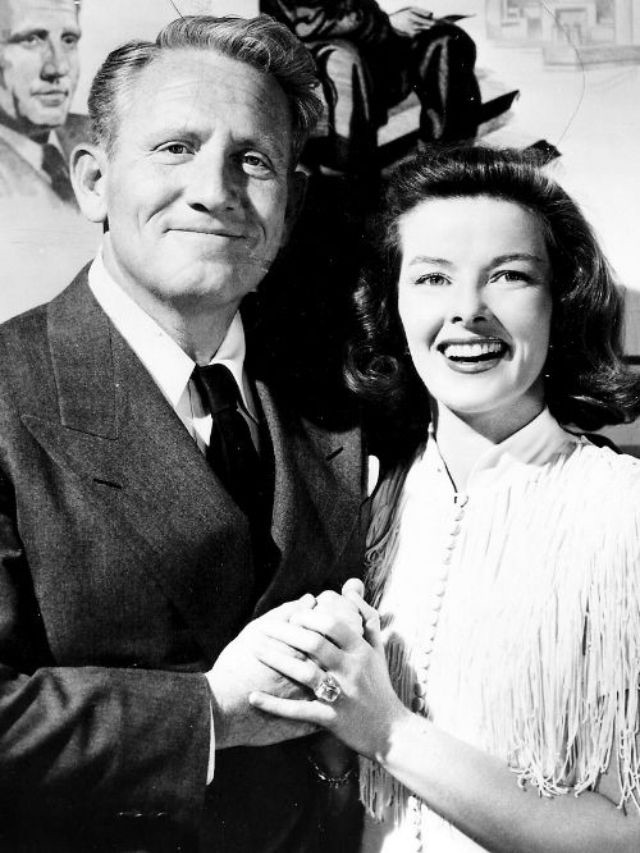
It wasn’t a perfect relationship, but in its imperfection, it was so much more real. That kind of love isn’t about perfect timing or easy resolutions. It’s about being together, even when the world doesn’t make it easy. Even when you’re both flawed. Even when everything else is uncertain.
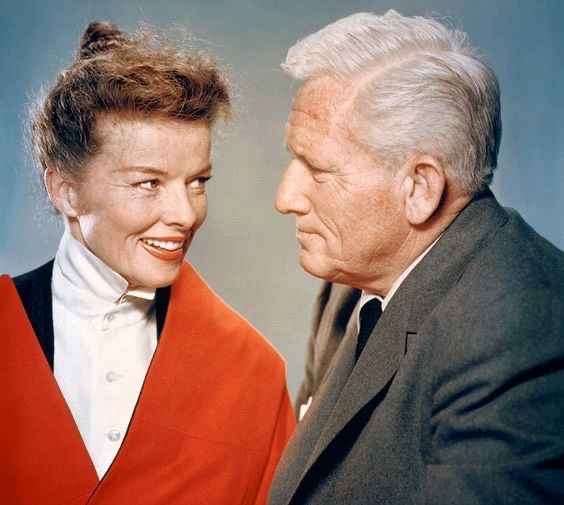
And then there’s the quiet beauty of her grief when he passed. She didn’t need to perform it for the world. It was hers and hers alone. She mourned him in a way that felt sacred, deep, respectful, and infinite. Their love never ended with his death. It just lived in her. Quietly. Reverently.
In Guess Who’s Coming to Dinner, you can see the residue of that love in her final moments with him on screen. Her gaze in that scene isn’t acting. It’s a woman holding on, saying goodbye to a part of her heart. It’s a quiet moment of grief shared with the audience, no words needed, just her presence. Her heart, broken yet unbowed.
She never married. Never had children. But she lived. Fiercely. With integrity. With eccentricity. She built a life that made sense to her, and never apologized for it. She aged on her own terms, held her own truth close, and never gave the world what it didn’t deserve.

She never fit. She refused to fit.
And I think that’s why I love her so much.
I’ve always felt like I was made of different material than the world around me. Always too sensitive, too inward, too intense, too particular. Katharine made that feel like power. She made it feel like belonging to yourself was enough.
She didn’t teach me how to be like her.
She reminded me that I already was.
And that’s the kind of love I have for her. Not as a fan. Not as someone who idolizes.
But as someone who understands. Quietly. Deeply. Without needing to say it out loud.

 The Dreamer's Pen
Leave a comment