Okay, hear me out. I have this weird theory. Everyone secretly belongs to another time period, like, you’re sitting here scrolling on your phone, but deep down you know your soul is somewhere else entirely. Maybe in a candlelit Paris café, maybe on a hippie commune, maybe running around in shoulder pads in the 80s.
And I think MBTI, the personality test we all take too seriously but also not seriously enough, is basically a secret time machine. Each type has an era they’d slot into so perfectly, it’s kind of eerie. Like they’d land there, take one look around, and go, “Ah yes, finally, I am home!”
INFJ – The Visionary Dreamer
Era: 1920s Paris
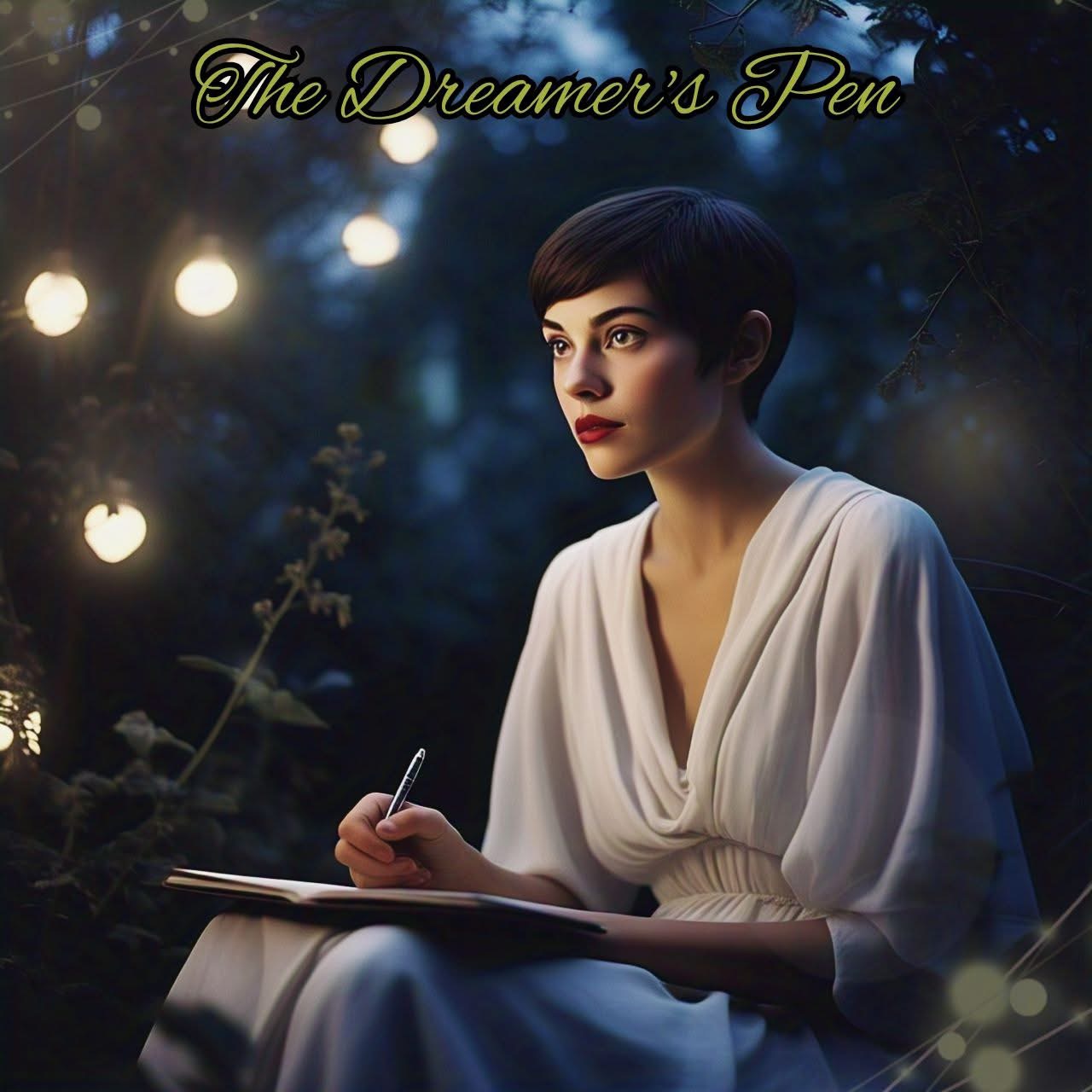
INFJs were built for dim lit cafés, cigarette smoke curling in the air, accordion music They are bohemians drifting from somewhere down the street. They’d be hunched over notebooks, writing poetry, sketching people (but really sketching their souls), and painting. If you asked what they were working on, they’d probably say something vague like, “Just ideas,” because really, their head is in ten different dimensions at once.
The 1920s in Paris was all about existential conversations, surrealist paintings, absinthe, and a little bit of beautiful melancholy, that’s basically INFJ heaven. They don’t want the spotlight they want the truth. And they’d be the quiet voice in a crowded room who says one line that makes everyone else stop and rethink their lives.
INFP – The Idealistic Wanderer
Era: 1960s Hippie Movement
If you’ve ever met an INFP, you know they’re already halfway to Woodstock. They were born to lie in the grass staring at clouds, strumming acoustic guitars, writing love poems no one will ever read, and crying at the sight of a particularly pretty flower.
Drop them into the 1960s and they’d finally have permission to be exactly who they are. Sweet, soft, dreamy, and endlessly hopeful. They’d be painting signs for protests by day, then barefoot dancing under fairy lights at night. Their whole life would be one long, messy ode to peace and love. And honestly? We’d all be better off for it.
ENFP – The Electric Free Spirit
Era: 1960s Counterculture
INFPs would be writing poetry under a tree. ENFPs? They’d be the ones with the megaphone, riling up the crowd. Loud, passionate, unstoppable. They’d hitchhike across the country because they heard there’s a new festival, crash on strangers’ couches, somehow convince three new best friends to join them, and then forget what city they’re even in.
The counterculture loved chaos and loved passion, and ENFPs bring both in spades. Honestly, they’d exhaust everyone else, but they’d also inspire the hell out of them.
ENTP – The Maverick
Era: Renaissance Florence
ENTPs belong in Renaissance Florence, where chaos and brilliance collided on cobblestone streets. Imagine them strutting in, half-inventor, half con artist, and all charm. They’d be arguing with philosophers just for fun, tricking nobles into funding wild experiments, and probably causing at least three small explosions in the name of “progress.”
The Renaissance didn’t have patience for boring, and neither do ENTPs. They’d thrive in the sheer madness of it all where every new idea was ridiculous until it wasn’t, and rules existed mostly to be rewritten.
INTJ – The Mastermind
Era: Industrial Revolution
INTJs would’ve been quietly ruling the Industrial Revolution from behind blueprints and ledgers. While everyone else was marveling at steam engines, INTJs were ten steps ahead, already planning entire city infrastructures and global systems.
They’d spend long nights by candlelight perfecting the smallest detail, not because anyone was watching, but because it mattered. Their joy is in the plan, the efficiency, the long-term game. And while others got lost in the noise of progress, INTJs were the ones actually building the future, one silent scheme at a time.
INTP – The Thought Explorer
Era: Victorian Scientific Circles
Victorian England gave us dusty libraries, eccentric societies, and endless unanswered questions. That’s INTP heaven. They’d be the ones losing track of time in a study, chalk dust on their hands, hair sticking up in all directions because they forgot to sleep.
INTPs live in possibility. They’d propose wild theories about space or atoms or consciousness, half of which people would laugh at, until, fifty years later, they turned out to be right. They’re not here to finish the puzzle; they’re here to take it apart and marvel at the pieces.
ENTJ – The Commander
Era: 1980s Corporate Boom
Power suits, shoulder pads, sex, and skyscrapers. ENTJs are orchestrating mergers before breakfast, shouting into giant brick cell phones by noon, and running three companies by dinnertime.
Ambition is their oxygen. ENTJs don’t just want success, they want to conquer. And the 80s? Oh, the 80s adored conquerors. They’d thrive on the excess, the speed, the competition. They wouldn’t just play the game, you better believe that they’d own the board.
ENFJ – The Charismatic Leader
Era: 1940s Community Organizers
In the middle of world wars, ENFJs would’ve been the ones holding everyone together. They’d organize food drives, host neighborhood meetings, comfort the grieving, and still somehow look effortlessly put together while doing it.
They’re magnetic, but not in a self serving way. People naturally follow them, trust them, feel seen by them. The 1940s needed that kind of heart and vision, someone who could look at the rubble and still say, “We’re going to rebuild, and we’re going to do it together.”
ISFJ – The Steadfast Guardian
Era: Medieval Village
Picture a medieval village with fields, cottages, a stone church. Somewhere in that village is an ISFJ, quietly holding the entire community together without anyone realizing it. They’re the ones tending gardens, cooking meals for neighbors, remembering who’s sick, who’s hungry, who just needs a kind word.
They don’t want fame. They don’t even want credit. They just want harmony, safety, a world that feels stable and cared for. And without them the whole village would quietly fall apart.
ISTJ – The Dependable Pillar
Era: Victorian England
ISTJs would’ve been the maids, the clerks with perfect ledgers, the ones making sure the trains ran on time while everyone else was dreaming big and breaking rules.
They thrive where there’s structure, duty, and tradition. Victorian England loved order and discipline woven into daily life. ISTJs aren’t flashy, but they’re the reason everything doesn’t collapse. They’re the backbone of history.
ISFP – The Gentle Artist
Era: 1970s Countryside Commune
ISFPs belong barefoot in a meadow in the 70s, painting murals on barns, playing guitar around campfires, making the world softer just by existing. They don’t care about fame or fortune. They care about beauty, about the small ways life can feel meaningful and lovely.
In a countryside commune, they’d thrive growing vegetables, weaving tapestries, painting, befriending animals, and humming little songs while the sun sets. Their art is their gift, but so is their presence. They make life itself feel like art.
ISTP – The Independent Tinkerer
Era: 1940s Aviation Age
Give an ISTP an engine, a wrench, and a little danger, and they’ll be happy forever. The aviation age in the 40s was perfect for them! Planes to tinker with (and fly), machines to invent, risks to take.
They’re the leather jacket types, cigarette dangling, grease on their hands, hearts beating fastest when something might break. They thrive on independence, skill, and just enough danger to make life exciting. The skies were theirs for the taking.
ESFP – The Life of the Party
Era: Roaring Twenties
Jazz, champagne, sequins—the Roaring Twenties were basically one long ESFP fever dream. They’d be the ones dragging everyone to the dance floor, laughing too loud, drinking too much, living too big, and leaving a trail of glitter behind them.
ESFPs don’t care about tomorrow. They care about tonight. And in the 20s, tonight was always dazzling. They’d thrive in the chaos, the beauty, the endless party. They are the sparkle.
ESTP – The Fearless Army General
Era: World War II / 1940s Battlefield
Imagine the battlefield in 1940s Europe. The tanks rumble across muddyterrain, artillery booms in the distance, and radio chatter fills the command tent. At the center of it all is an ESTP general.
He is bold, strong, charismatic, and alive in the chaos. This isn’t a general who just studies maps from afar. No. They’re on the move, leading from the front, making split second decisions, and thriving on the adrenaline of action. They love it.
ESFJ –The Perfect Hostess
Era: 1950s Suburbia
Ah, the 1950s ESFJ. She has her pearls on, her lipstick is perfect, roast in the oven, bridge club at six. She’s the picture of perfection or at least that’s what everyone thinks. Behind the scenes, maybe she’s tired, maybe the kids are screaming, maybe she just wants to collapse, but you’d never know it.
ESFJs thrive on keeping harmony, on appearances, on making sure everyone feels cared for. Sometimes it’s a little fake (because who can be perfect all the time?), but it comes from love. They want their world to look polished, welcoming, whole. And in 50s, they were the glue holding it all together.
ESTJ – The Executive
Era: Victorian Bureaucracy
ESTJs love structure, authority, systems. They want (and love) rules and they want to enforce them. Drop them into Victorian bureaucracy and they’d be in their element. Running schools, factories, governments with efficiency so sharp it scared people a little. I think they liked that.
They’re not here to make things soft and cozy. They’re here to make things work. They thrive where tradition matters, where authority is respected, where someone has to be in charge. And honestly? We need them. Even if we roll our eyes while they’re lecturing us about regulations.
So maybe some of us really were born in the wrong century. But maybe that’s not a bad thing. Maybe the point is to bring a little bit of that lost era into now. Time might be an illusion, but your personality? That’s timeless.

 The Dreamer's Pen
Leave a comment